
OEM EVA Carrying Case: From Design Brief to Bulk Production
Developing an OEM EVA carrying case is not just about choosing a case size and adding a logo. For brands, product manufacturers and distributors, the case needs to match the product, protect it during transportation, organize accessories and support the brand image. A well-designed EVA carrying case can make the product feel more complete, more professional and easier for customers to use.
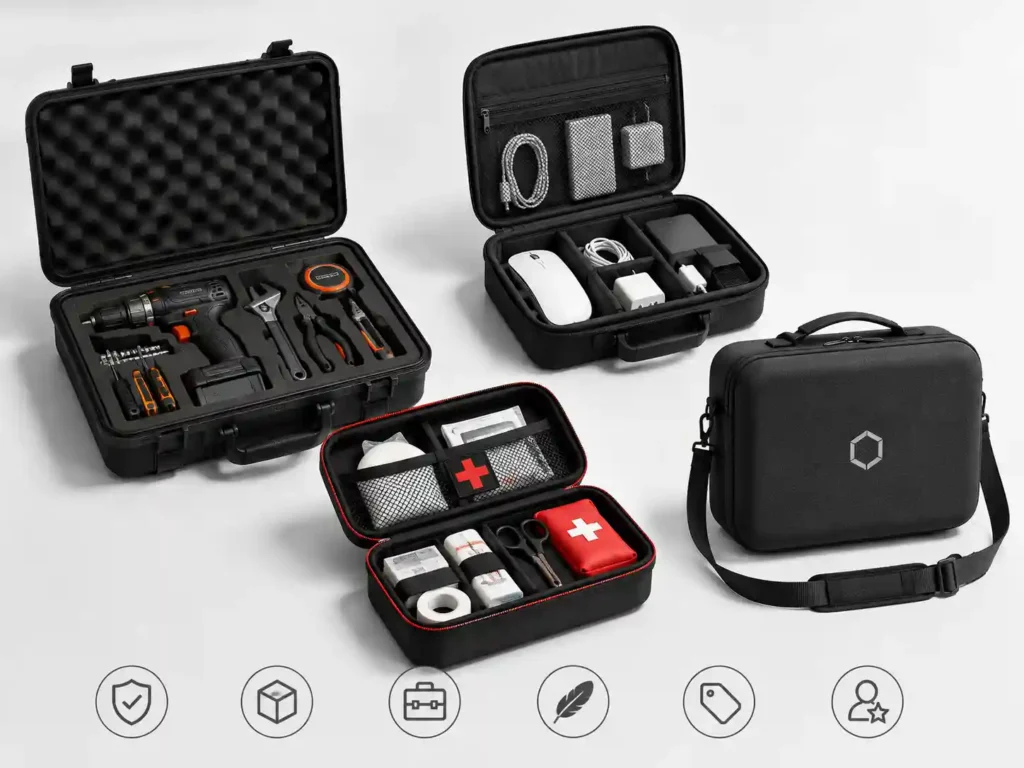
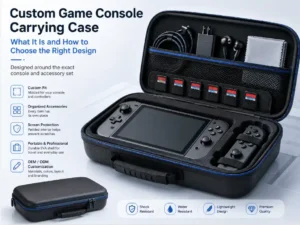
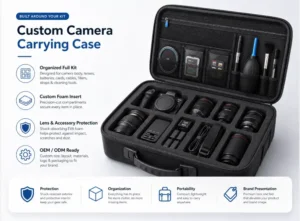
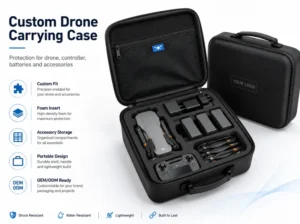
Unlike standard cases, an OEM EVA carrying case is developed according to the buyer’s product requirements. The outer shell, surface fabric, lining, zipper, handle, foam insert, internal layout, logo and packaging can all be customized. This makes EVA carrying cases suitable for electronics, tools, medical devices, beauty equipment, gaming accessories, headphones, drones, cameras and many other portable products.
This guide explains how an OEM EVA carrying case project usually works, from the first design brief to sample making, production and final quality inspection.
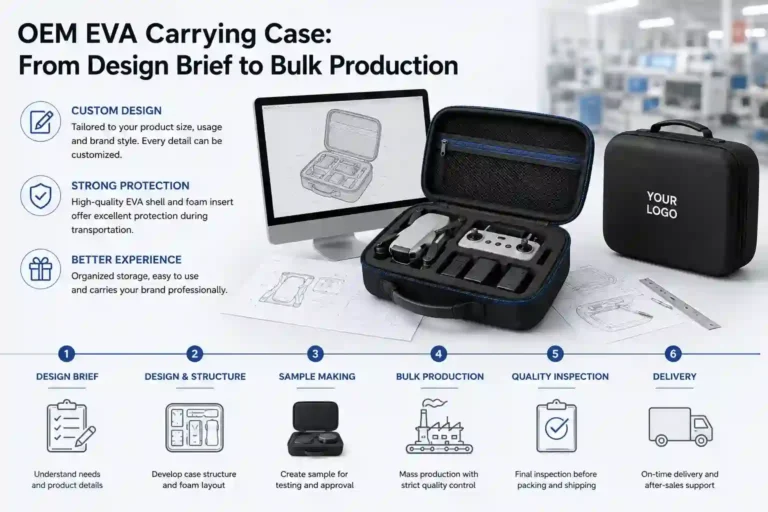
What Is an OEM EVA Carrying Case?
An OEM EVA carrying case is a customized protective case produced according to the buyer’s design, product size, brand requirements and order specifications. OEM means Original Equipment Manufacturing. In simple terms, the manufacturer produces the EVA case for the buyer’s brand.
For an OEM project, the buyer may already have a product, a drawing, a reference sample or a clear idea. The EVA case manufacturer then helps turn those requirements into a finished case that can be used for retail packaging, product storage, transportation or daily carrying.
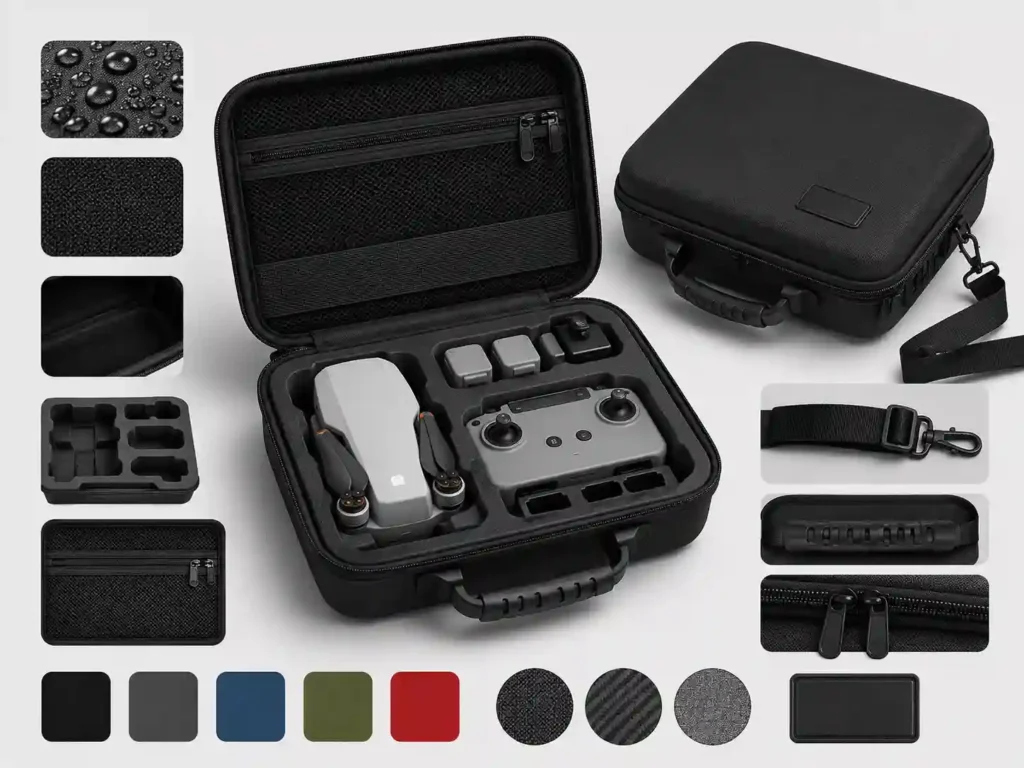
An OEM EVA carrying case can be customized in many ways, including:
- Case size and shape
- Molded EVA shell
- Surface fabric
- Inner lining
- Foam insert
- Mesh pocket
- Elastic strap
- Handle or shoulder strap
- Zipper and zipper puller
- Logo method
- Color matching
- Packaging method
The goal is to create a case that fits the product and brand, not just a generic storage bag.
Why Brands Choose OEM EVA Carrying Cases
Many products need better protection than a paper box or soft pouch can provide. At the same time, buyers may want a case that is lighter and more flexible than a hard plastic box. This is where an OEM EVA carrying case becomes useful.
EVA carrying cases are often chosen because they offer:
- Semi-rigid protection
- Lightweight portability
- Custom molded shape
- Organized accessory storage
- Flexible branding options
- Good balance between protection and cost
- Suitable appearance for many product categories
For B2B buyers, the case also helps improve the product package. A well-designed custom EVA carrying case can make the product look more valuable and easier to sell.
For example, a tool brand may need a durable case with a strong handle and custom foam insert. An electronics brand may need a clean case with soft lining and cable storage. A medical device supplier may need a professional-looking case with stable internal support. Each project has different requirements, so OEM customization is important.
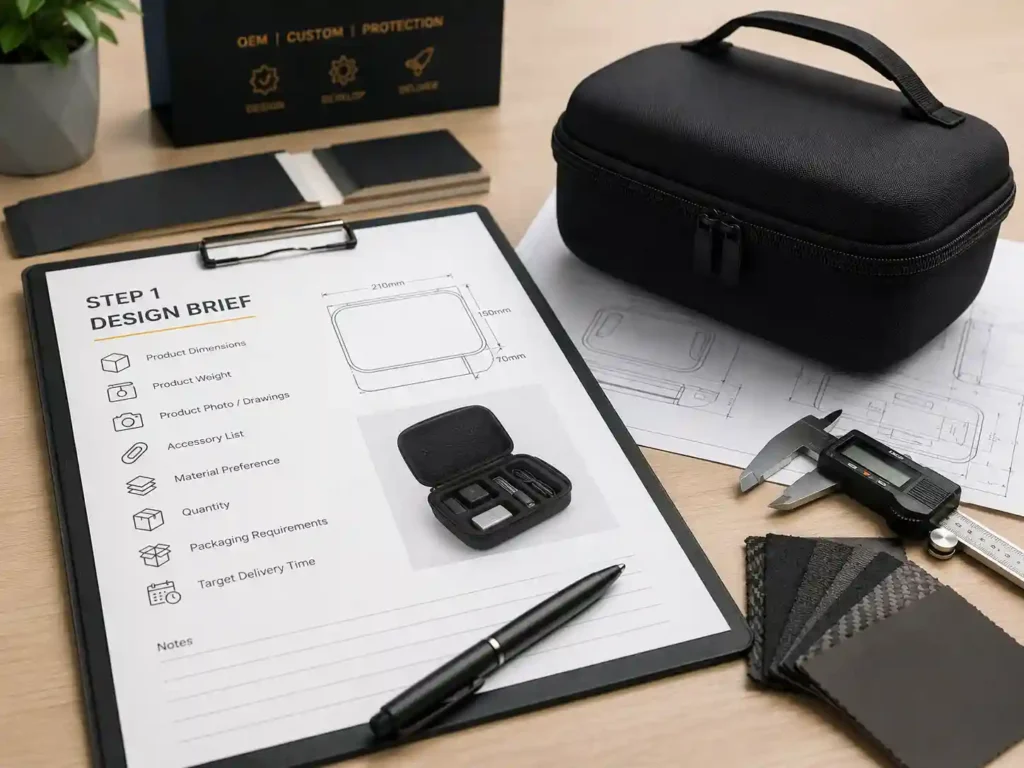
Step 1: Prepare a Clear Design Brief
The first step in an OEM EVA carrying case project is preparing a clear design brief. This helps the manufacturer understand what the case needs to do.
A good design brief should include:
- Product dimensions
- Product weight
- Product photos
- Product drawings, if available
- Accessory list
- Target case size
- Required protection level
- Logo requirements
- Material preference
- Quantity
- Packaging requirements
- Target delivery time
- Destination country or region
If the buyer is not sure about the final case structure, they can provide the product information first. A professional EVA carrying case manufacturer can help recommend the case size, material and internal layout.
The more complete the design brief, the smoother the project will be. It also helps avoid misunderstandings during quotation, sampling and production.
Step 2: Confirm the Case Structure
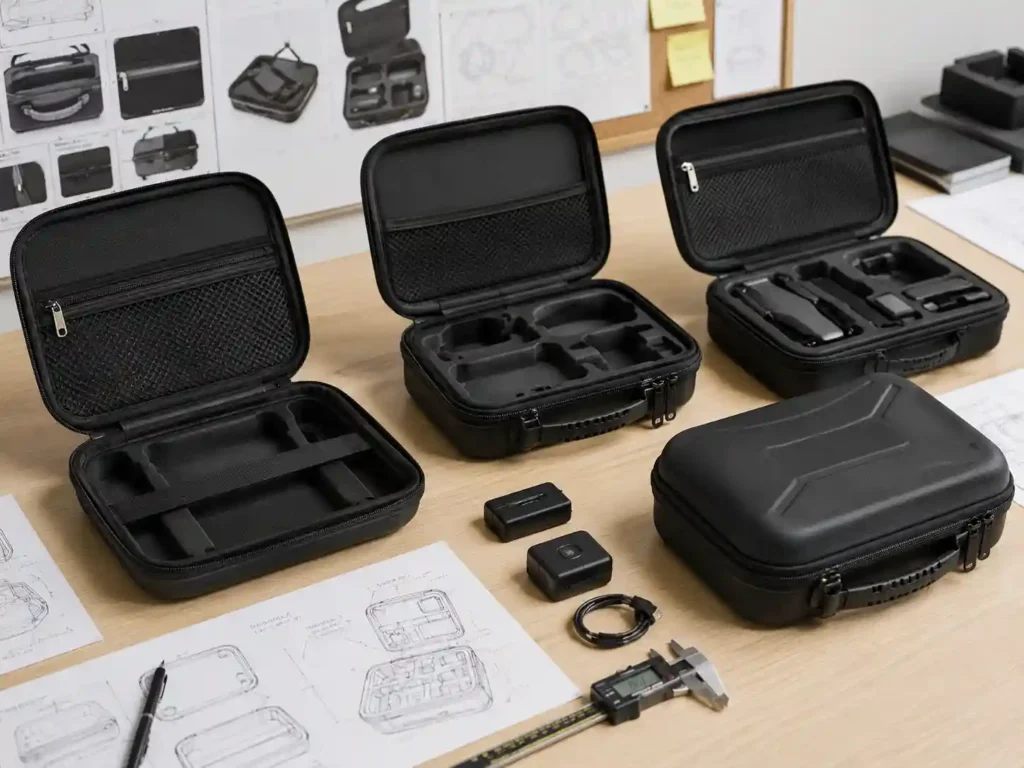
After reviewing the product information, the manufacturer can suggest the case structure. This includes the outer shape, opening direction, zipper route, handle position and internal arrangement.
The case structure should be designed around the product’s real use scenario. For example, a case for a portable electronic device may need a compact shape and soft lining. A case for a tool kit may need a stronger structure and deeper foam compartments. A case for a drone or camera may need multiple accessory positions.
Important structure details include:
- Whether the case opens flat or partially
- Whether the product needs a fixed foam insert
- Whether accessories need separate compartments
- Whether a mesh pocket is needed
- Whether an elastic strap is required
- Whether the handle position feels balanced
- Whether the zipper path is convenient for users
A good OEM EVA carrying case should not only look good. It should also be easy to open, easy to carry and practical for daily use.
Step 3: Choose Suitable Materials
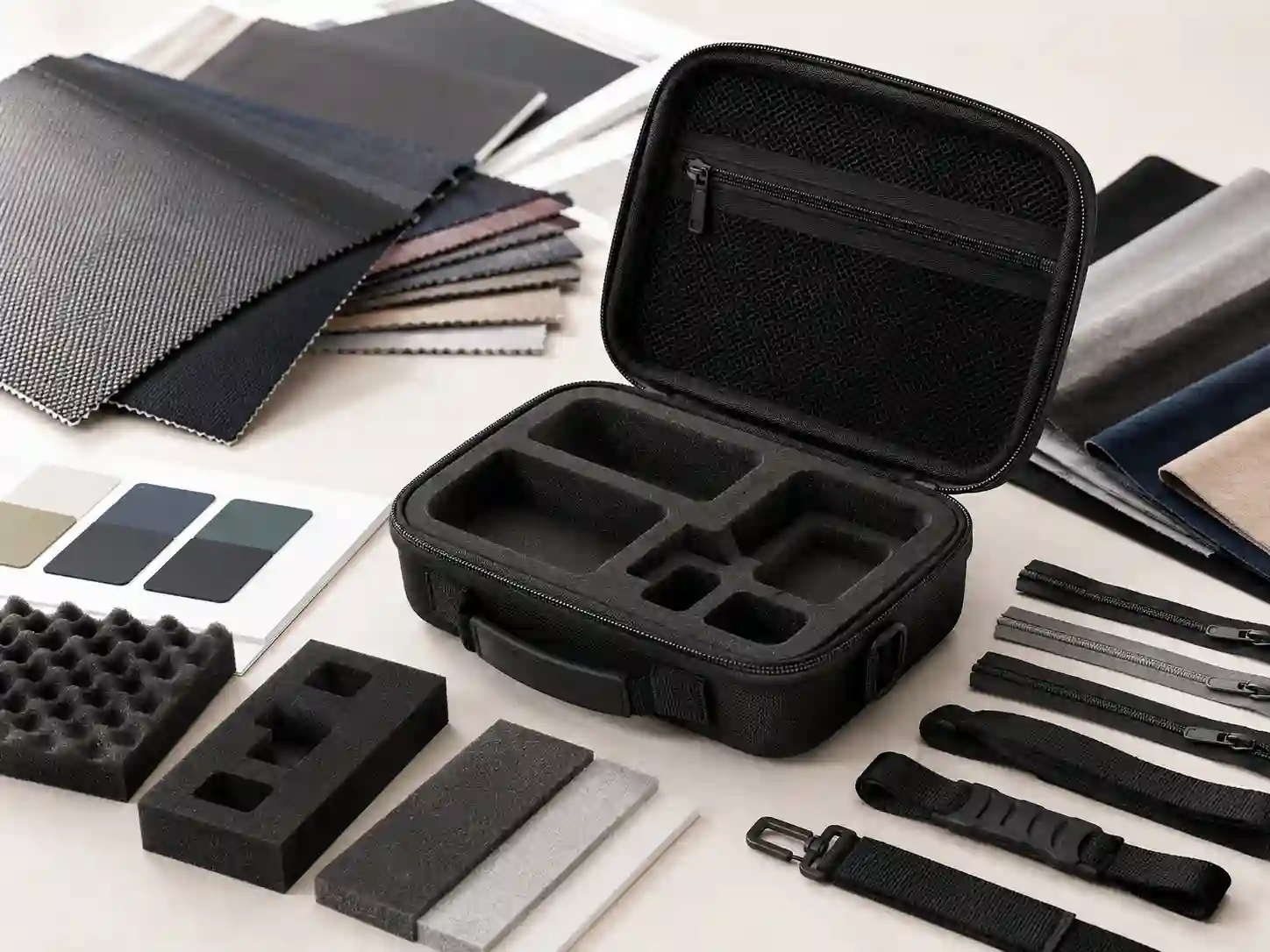
Material selection affects the appearance, durability, cost and user experience of the case. A custom EVA carrying case can use different surface fabrics, linings and inner materials depending on the product type and target market.
Common surface materials include polyester, nylon, PU, Oxford fabric and other fabric options. Common lining materials include velvet, jersey, polyester and soft fabric linings. The foam insert can also be customized based on product weight and protection needs.
For industrial tools, buyers may prefer stronger and more durable surface material. For electronics, beauty devices or premium accessories, buyers may prefer a cleaner and softer appearance. For medical or professional products, the case should look stable, neat and reliable.
The best material choice should balance:
- Protection
- Appearance
- Durability
- Cost
- Product positioning
- Target market
- Order quantity
A reliable OEM EVA case supplier should explain material options clearly and recommend practical solutions.
Step 4: Design the Internal Layout and Foam Insert
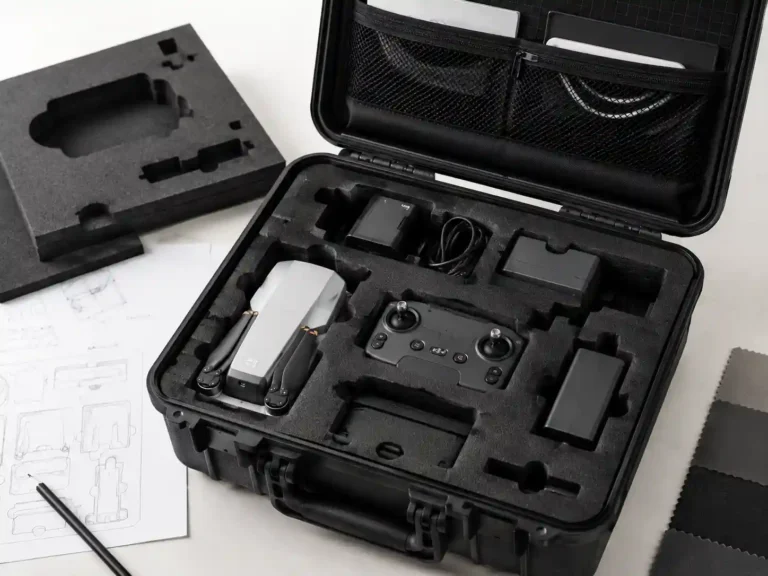
The inside of the case is just as important as the outside. A well-designed internal layout keeps the product and accessories organized, protected and easy to access.
Many OEM EVA carrying cases use custom foam inserts. The foam insert can be cut or shaped according to the product dimensions. It can include spaces for the main product, charger, cable, battery, controller, manual, tools or small accessories.
A good foam insert should:
- Hold the product securely
- Reduce movement during transportation
- Separate accessories
- Protect fragile parts
- Look clean and professional
- Allow users to remove items easily
Buyers should avoid making the insert too tight. If users struggle to remove the product, the case may feel inconvenient. Small details such as finger holes or slightly wider openings can improve the user experience.
For OEM projects, the internal layout should be confirmed before sample making. This helps reduce changes later in the process.
Step 5: Add Logo and Branding Details
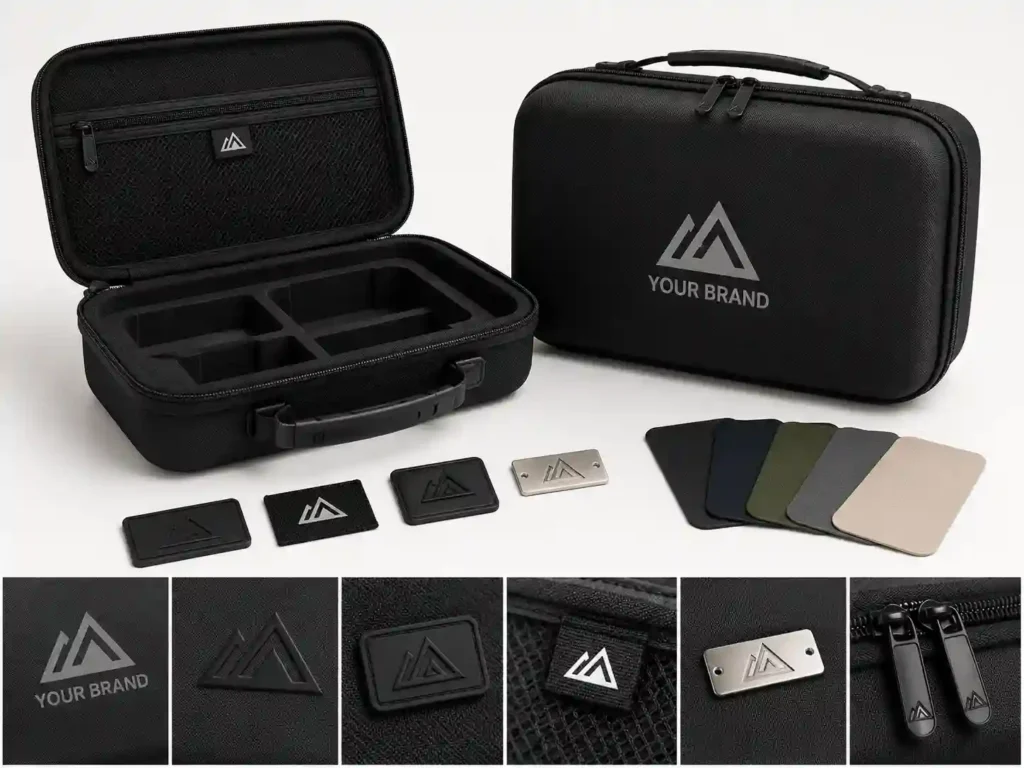
Branding is one of the main reasons buyers choose an OEM EVA carrying case. The case should look like part of the product, not a random accessory.
Common logo options include:
- Printed logo
- Embossed logo
- Rubber patch logo
- Woven label
- Metal logo plate
- Custom zipper puller
- Custom color matching
The logo method should match the product positioning and budget. A printed logo may be suitable for simple and cost-effective projects. An embossed logo or rubber patch may create a stronger brand impression. A custom zipper puller can also add a premium detail.
Logo placement should be confirmed during the design stage. It should be visible, clean and professional without affecting the case structure or durability.
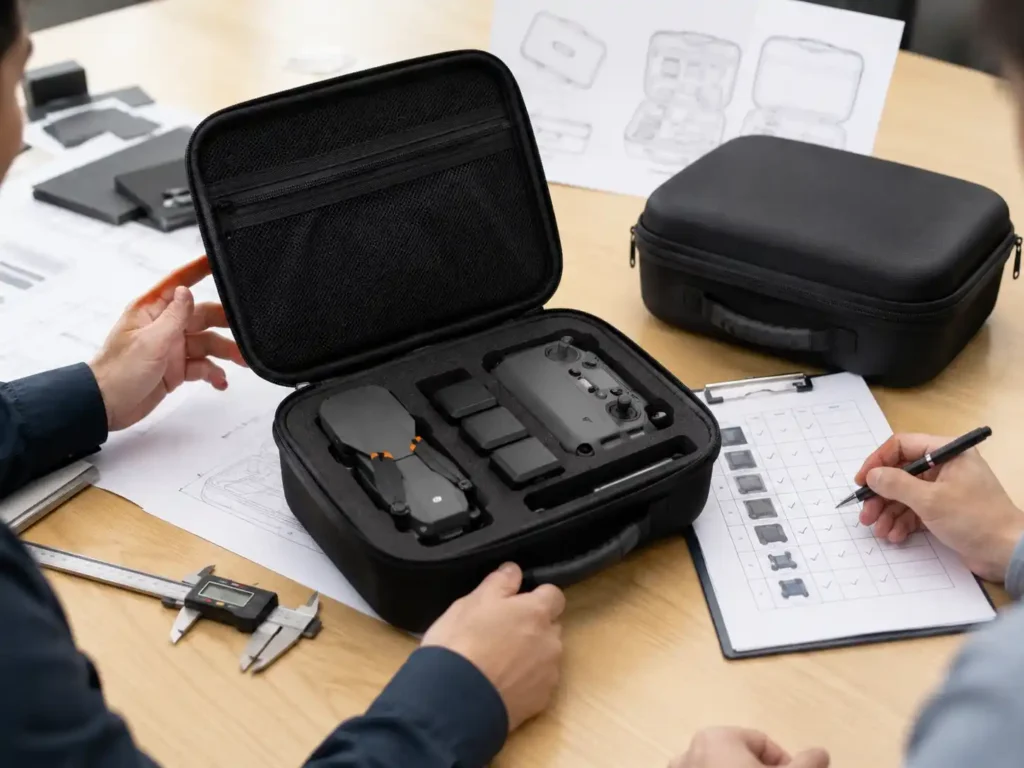
Step 6: Make and Review the Sample
Sample making is a key step before mass production. The sample allows the buyer to check the real case size, shape, material, logo, zipper, handle, lining and foam insert.
During sample review, buyers should test the case with the actual product and accessories. Do not only check the appearance in photos.
Important points to check include:
- Whether the product fits correctly
- Whether accessories stay in place
- Whether the case closes smoothly
- Whether the zipper runs smoothly
- Whether the handle feels strong
- Whether the foam insert provides enough support
- Whether the logo position and size are correct
- Whether the material matches the expected quality
- Whether the case looks professional after opening
If any detail needs improvement, it should be revised before mass production. A small change at the sample stage can prevent bigger problems later.
Step 7: Confirm Production Details Before Bulk Order
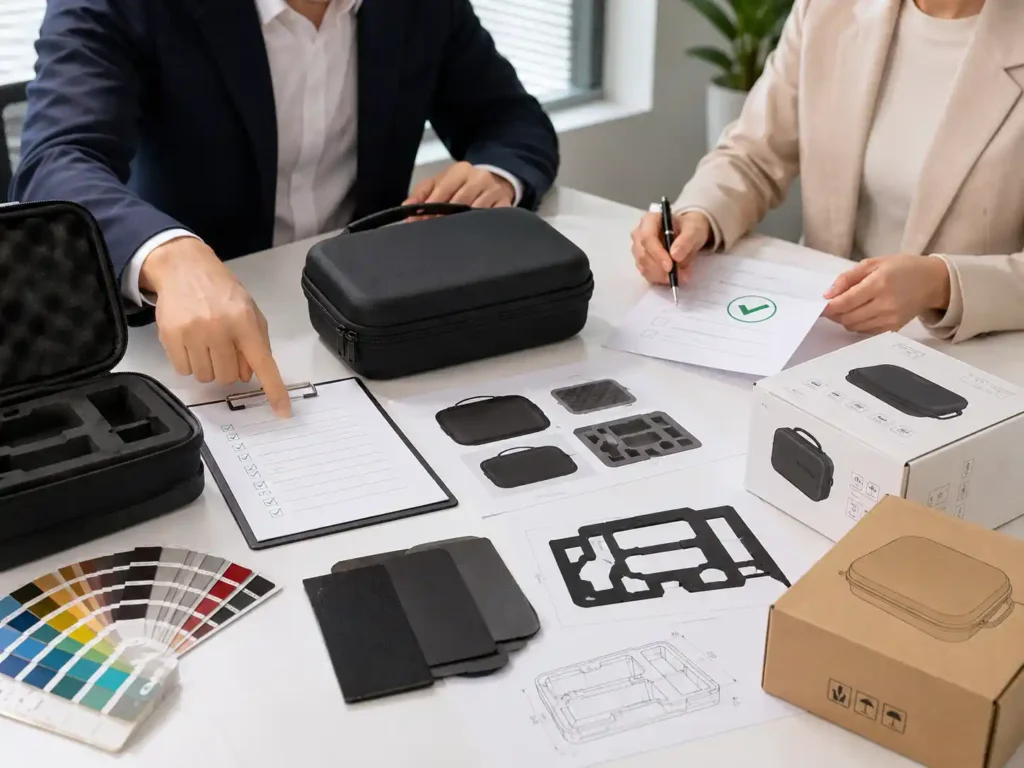
Before bulk production starts, buyers should confirm all important details in writing. This includes case size, material, lining, foam insert, logo, color, packaging, quantity and delivery schedule.
For OEM EVA carrying case projects, clear confirmation is important because many details are customized. If one detail is unclear, it may affect the final product.
Buyers should confirm:
- Final sample approval
- Final material
- Final color
- Final logo method
- Final foam insert layout
- Packaging method
- Carton information
- Production quantity
- Delivery time
- Shipping requirement
This step helps both the buyer and manufacturer avoid misunderstandings during production.
Step 8: Quality Inspection Before Shipment
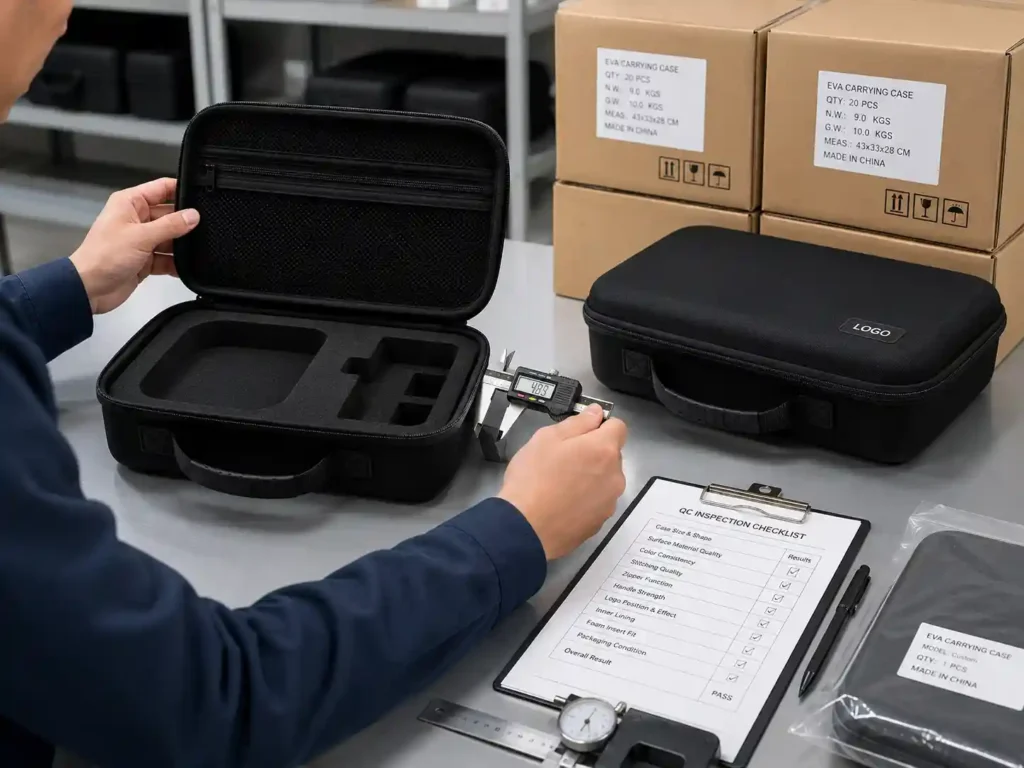
Quality inspection is essential for OEM projects. Since the case usually carries the buyer’s brand, unstable quality can affect customer trust.
A professional EVA carrying case manufacturer should check key details before shipment, including:
- Case size and shape
- Surface material quality
- Color consistency
- Stitching quality
- Zipper function
- Handle strength
- Logo position and effect
- Inner lining
- Foam insert fit
- Packaging condition
For B2B buyers, consistent quality is often more important than a very low price. A reliable supplier should have a clear inspection process to reduce defects before delivery.
Common Problems in OEM EVA Case Projects
Some OEM EVA carrying case projects face delays or quality issues because details were not confirmed early enough.
Common problems include:
- Product dimensions are not accurate
- Accessories are added after the design is finished
- Foam insert is too tight or too loose
- Logo size is not confirmed
- Material color differs from expectation
- Handle is not strong enough for product weight
- Packaging requirements are unclear
- Sample is approved without real product testing
- Delivery schedule is too rushed
Most of these problems can be avoided with good communication and clear project information.
How to Choose an OEM EVA Carrying Case Manufacturer
Choosing the right manufacturer is important for successful OEM production. A good supplier should have experience in custom EVA carrying cases and understand the needs of B2B buyers.
When choosing a manufacturer, buyers should check:
- OEM and ODM project experience
- Custom molded EVA case capability
- Foam insert design ability
- Material and logo options
- Sample development process
- Production capacity
- Quality inspection process
- Communication efficiency
- Experience with similar products
The right manufacturer should not only make the case but also help improve the design, reduce production risks and make the final product more suitable for the market.
Why Work With GAODA EVA CASE?
GAODA EVA CASE provides OEM and ODM custom EVA carrying case solutions for global B2B customers. We support custom EVA cases for electronics, tools, instruments, medical devices, beauty equipment, gaming accessories, drones, cameras, headphones, VR devices and other portable products.
Our team can support product evaluation, case structure design, material selection, foam insert layout, logo customization, sample development, mass production and quality inspection. Whether you need a simple EVA storage case or a fully customized molded EVA carrying case, we can provide practical solutions based on your product and market needs.
We understand that every OEM project has different requirements. Some products need stronger protection, some need a premium appearance and some need a cost-effective solution for large quantity orders. Our goal is to help customers develop EVA carrying cases that protect the product, support the brand and perform well in real use.
Information Needed for a Quotation
To get a faster and more accurate quotation for an OEM EVA carrying case, please prepare the following information:
- Product dimensions
- Product weight
- Product photos or drawings
- Accessory list
- Required case size, if available
- Quantity
- Surface material preference
- Inner lining preference
- Foam insert requirement
- Logo file and logo method
- Packaging requirement
- Target delivery time
- Destination country or region
If you do not have a final design yet, you can send your product information first. Our team can help recommend a suitable case structure and material solution.
Final Thoughts
An OEM EVA carrying case can help protect products, organize accessories and improve brand presentation. From the first design brief to sample making and mass production, every detail affects the final result.
For brands, manufacturers and distributors, choosing the right EVA carrying case manufacturer can make the project smoother and reduce production risks. A good supplier should understand product protection, structure design, foam inserts, materials, branding and quality control.
If you are looking for an OEM EVA carrying case supplier for your next project, GAODA EVA CASE can support you from design and sampling to bulk production.
Contact us today to discuss your OEM EVA carrying case project and get a tailored solution for your product.
GAODA — Professional Custom EVA Case Manufacturer | ISO 9001 Certified | Shenzhen + Vietnam Dual Factories | 20+ Years OEM/ODM Experience
 Arabic
  English
  Korean
  Japanese
  French
  German
  Spanish
  Russian
  Italian
  Portuguese
  Turkish
  Thai
Thai  Vietnamese
  Chinese